Nitrogen fixation?

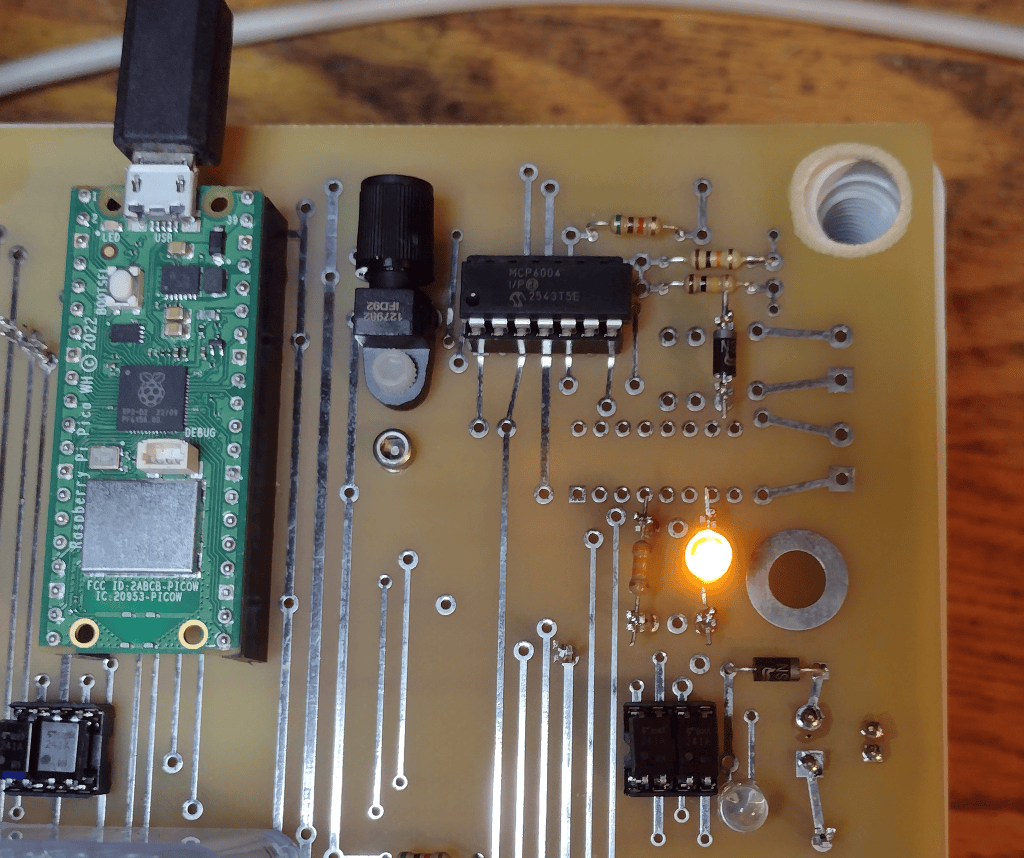
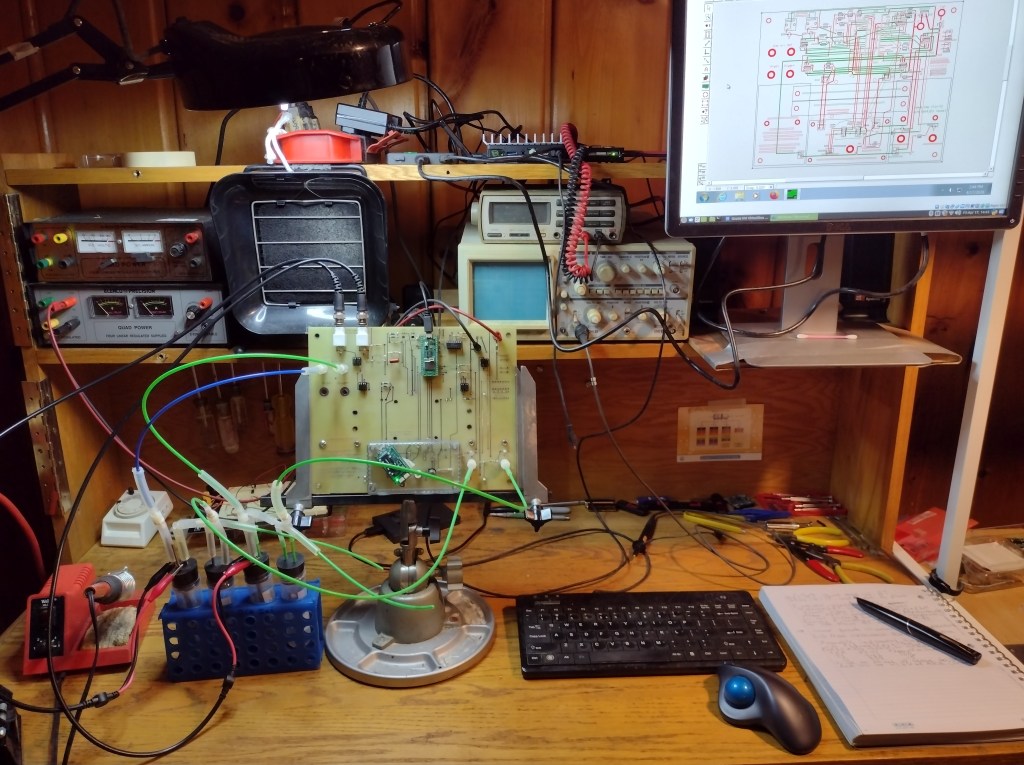
The PI actually measures the production of hydrogen gas, a byproduct of nitrogen fixation. Some nitrogen-fixing rhizobia recycle hydrogen, so this approach won’t work with them. In the photo, two PIs (actually, an earlier prototype) are being used to measure hydrogen production on two sides of two split-root plants, so compare N fixation by different strains of rhizobia.

Insights

Start Measuring Biological Nitrogen Fixation

New here? Explore our primers on nitrogen fixation science, calibration basics, and low-cost instrumentation for community labs and field projects.

A portable nitrogen fixation measurement kit laid out in an open, hard-sided protective case with custom foam cutouts, each cavity precisely holding sleek black plastic modules, small calibration cylinders, and labeled connectors. The case rests on a wooden field station table near a large window, through which a softly blurred view of green agricultural plots is visible. Late afternoon natural light streams in at an angle, casting warm, defined shadows within the foam compartments and glinting subtly off metallic fittings. Photographic realism at a slightly elevated, three-quarter view showcases the entire kit’s organization. The mood is practical and field-ready yet sophisticated, emphasizing accessibility and affordability of serious scientific measurements beyond the traditional laboratory.
A compact benchtop scientific instrument designed for measuring biological nitrogen fixation, with a matte white enclosure, subtle grey ventilation slots, and a small, high-contrast OLED readout displaying clear numerical data. The device rests on a clean, light-grey laboratory bench alongside neatly arranged glass vials and labeled sample tubes. Soft, diffused daylight from an unseen window washes across the scene, creating gentle reflections on the smooth plastic surfaces and faint shadows behind the instrument. Photographic realism with a clean, modern aesthetic, captured at eye level with a slight three-quarter angle, sharp focus on the instrument and a softly blurred background of neutral lab cabinetry. The mood is professional, precise, and approachable, emphasizing reliability and affordability without clutter.
A minimalist, photographic realism hero image of a single Pretty Good Philosophical Instrument unit centered on a reflective, dark glass surface, its clean rectangular form, subtle logo, and single illuminated status indicator giving a sense of understated precision. The background fades into a soft gradient from deep charcoal to cool blue, with no visible clutter. A narrow beam of soft studio light from the upper left creates a gentle highlight along the instrument’s top edge and a faint reflection below, while the rest is bathed in smooth, even shadow. Shot straight-on at eye level with symmetrical composition and ample negative space, the atmosphere is confident, modern, and professional, suggesting a serious measurement tool that remains approachable and cost-effective.